E-Bike Confidence: The Safety Skills for Faster, Heavier, Better
The e-bike gives you speed you didn’t train for and weight you didn’t expect — the combination behind most new-rider wobbles. The confidence guide: the skills that match the machine, the traffic-craft at assisted pace and the checks that keep it all safe.
The Speed Adjustment
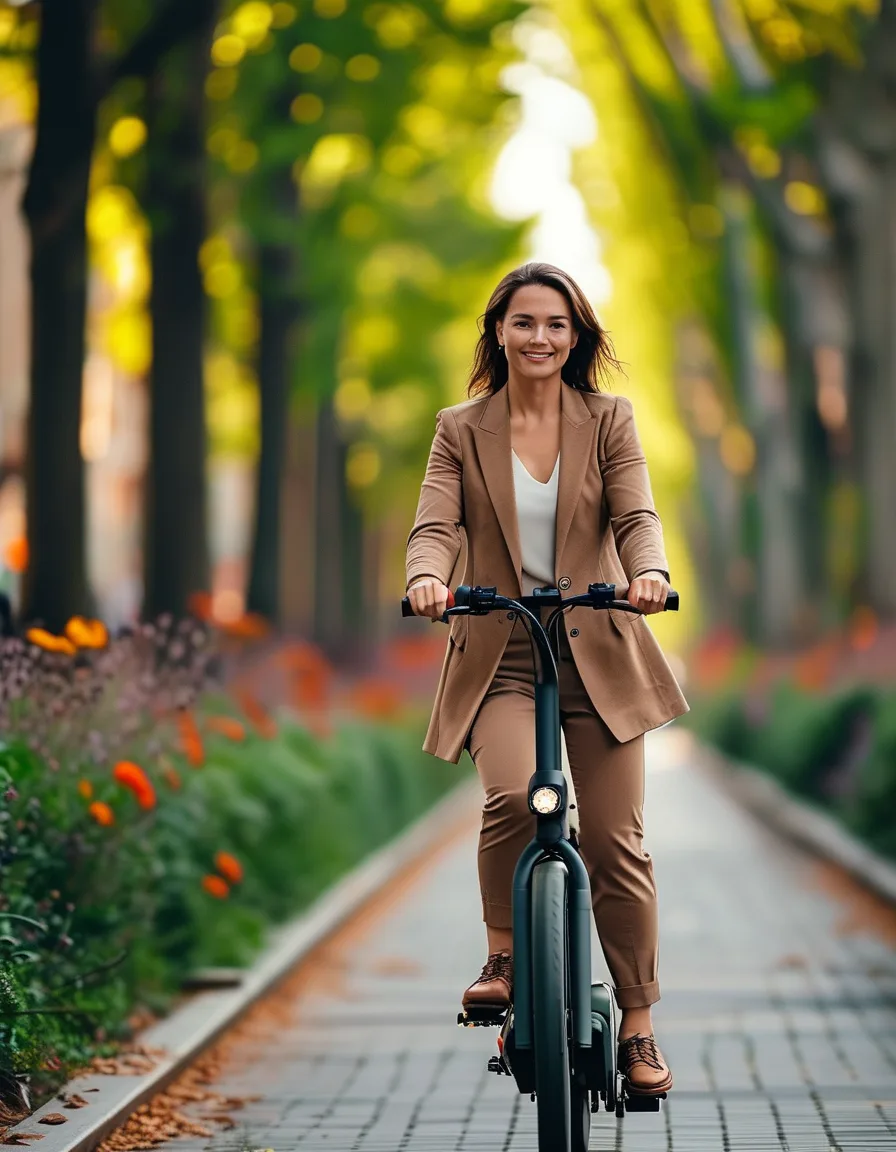
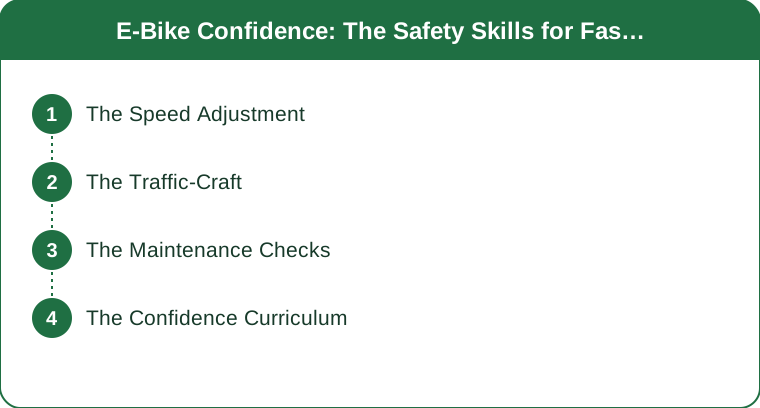
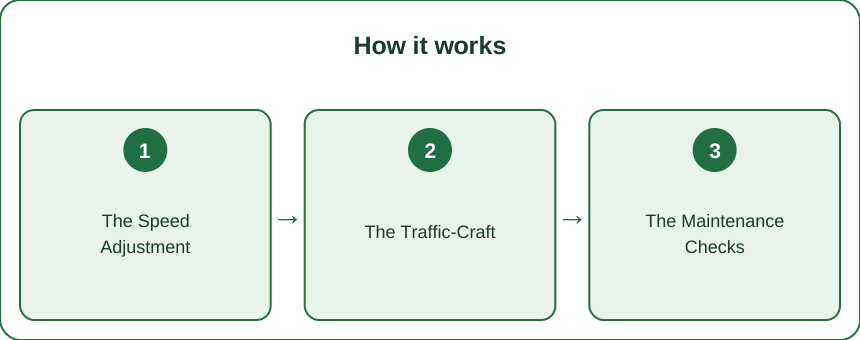
Riding faster than your reflexes expect: the perception gap (e-bike pace arrives without the effort that usually calibrates it — 25km/h feels casual on assist and is genuinely fast in traffic; the speedometer glance habit recalibrates), the braking math (heavier bike plus higher speed equals longer stops — the practice session in an empty lot: hard stops from speed until they’re boring; the front-and-rear brake balance that prevents the over-the-bars story), the cornering respect (the extra weight wants wider, slower lines — the lean that worked on the old bike gets an update), and the assist-level wisdom (lower assist in complex traffic — the speed matched to the environment’s decision-density; turbo is for the open stretch, not the school zone).
The Traffic-Craft
Visibility and predictability at pace: the be-seen upgrade (e-bike speeds close gaps faster than drivers expect from ‘a bicycle’ — the daytime-running-lights and high-visibility habits carry extra weight; you’re faster than their mental model of you), the predictability doctrine (straight lines, signaled turns, lane positions held — the faster bike earns respect by behaving like traffic, not like a pedestrian with wheels), the intersection protocol (the majority of conflicts happen there — the eye-contact-or-assume-unseen rule, the door-zone buffer on parked cars, and the arrive-slower discipline that assist makes easy to forget), and the path-diplomacy note (shared paths mean passing slower everyone — the bell-and-verbal warning at a genuinely reduced pace; the e-bike’s speed is for roads, its manners are for paths).
The Maintenance Checks
The heavier-faster upkeep: the brake-pad rhythm (e-bikes eat pads faster — the monthly squeeze-check and the sooner-than-you-think replacements; brakes are THE e-bike wear item), the tire-pressure discipline (weight plus speed punishes soft tires — the weekly pressure habit; e-bike-rated tires when replacements come), the bolt-and-rattle audit (motors vibrate things loose over months — the monthly once-over or the shop’s seasonal service), the battery-care basics (the partial-charge lifestyle, cool storage, and never charging a damaged battery — the fire-safety fine print that’s rare but real; certified chargers only), and the software note (the brands with firmware updates get them — the recall-and-fix channel worth registering for).
The Confidence Curriculum
Building the skills deliberately: the empty-lot hour (the new e-bike’s first session is drills, not errands — starts, stops, slow-speed balance, the walk-assist feature found before the hill that needs it), the progressive routes (quiet streets before arterials, the known loop before the crosstown commute — the traffic-craft builds on low-stakes reps), the heavy-bike handling extras (the dismount-and-walk skills, the rack-loading technique, the kickstand-on-slopes lesson everyone learns once), and the gear layer (the helmet upgraded to the e-bike-rated tier if buying new, gloves, and the visibility kit — the speed deserves the equipment). The machine is faster than your habits on day one — a week of deliberate practice and the habits catch up.
Recalibrate to the speedometer, practice hard stops, behave like traffic, check brakes monthly. E-bike confidence is skills matched to the machine — one empty-lot hour and a month of habits.
Keep Reading
This article is for general informational and styling purposes only. Fit, sizing, and product availability may vary.