The E-Bike Hill Climbing Technique That Actually Protects Your Knees
Quick Answer: The knee-friendly way to climb hills on an e-bike is shifting to a lower gear before the climb starts and keeping cadence around 70-80 RPM rather than grinding a high gear at low cadence — the assist motor is there to help maintain that cadence, not to let you skip gearing down.
A lot of riders hit a hill, feel the incline, and just push harder into the same gear. That’s exactly the pattern that leaves knees sore the next day, e-bike or not.
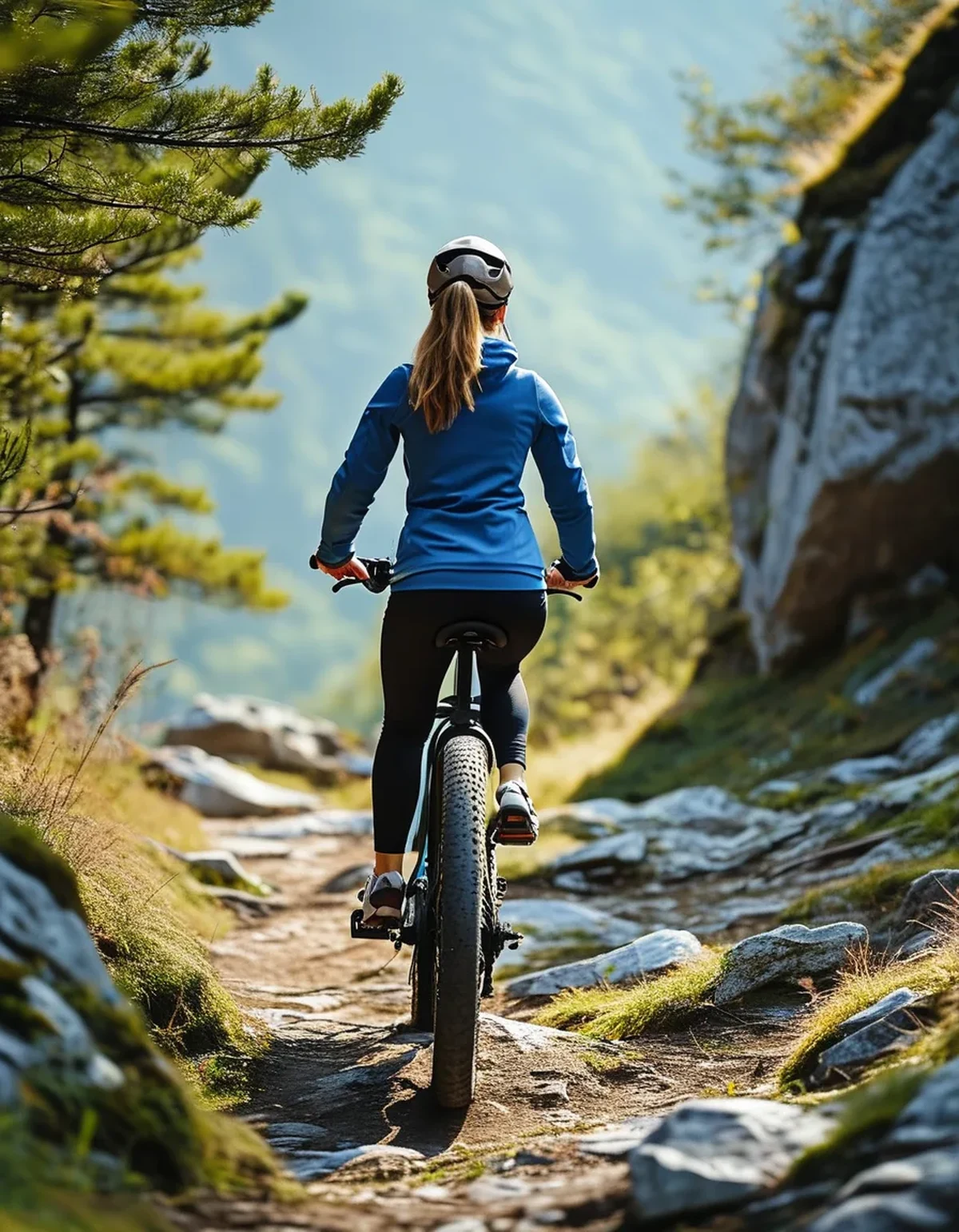
Why does climbing in a high gear at low cadence hurt your knees specifically?
Low cadence, high-torque pedaling puts concentrated force through the knee joint with every stroke, since each pedal revolution requires more force to overcome the gear resistance. Spinning a lower gear at a higher cadence spreads that same power output across more, gentler strokes, which is easier on the joint over a full ride.
Doesn’t the motor assist make gearing less important?
Not really — the assist adds power, but it doesn’t change how your knees experience each pedal stroke if you’re still mashing a high gear. Riders who rely on the motor to muscle through a bad gear choice, instead of shifting down, often report more knee discomfort than riders who gear appropriately and let the motor do proportional work.
What cadence should you actually aim for on a climb?
Most cycling coaches point to 70-80 RPM as a joint-friendly climbing cadence for most riders, though this varies with fitness level. If you find yourself pedaling in slow, heavy strokes on an incline, that’s the signal to shift down a gear or two before your knees start complaining.
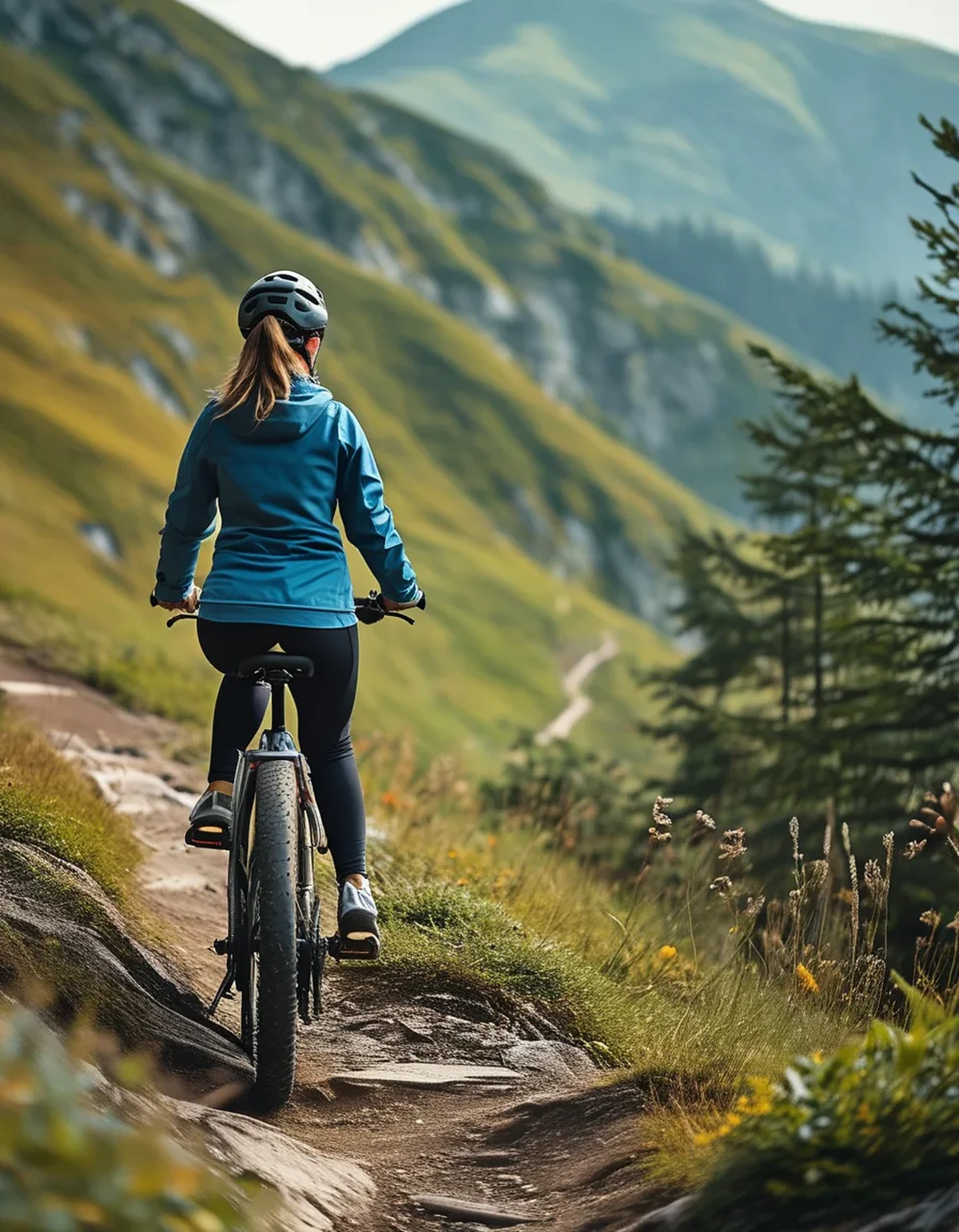
5 Mistakes Riders Make Climbing Hills on an E-Bike
- Shifting down too late — after the climb has already started, when it’s harder to change gears smoothly.
- Staying seated the entire climb — standing briefly on steeper sections reduces knee strain by changing the angle of force.
- Ignoring assist mode — not bumping to a higher assist level for steep sections, forcing knees to compensate.
- Locking the knee at the top of the stroke — a subtle habit that adds joint stress over hundreds of pedal strokes.
- Never building general leg strength off the bike — knees handle hills better when supporting muscles are conditioned separately.
Does riding position matter as much as gearing on climbs?
Yes — leaning slightly forward and keeping weight distributed between the pedals and handlebars helps maintain smooth power transfer, while sitting too upright on a steep climb shifts more force awkwardly through the knees. Small position adjustments on longer climbs make a noticeable difference over a full ride.
FAQ: E-Bike Hill Climbing and Knee Health, Answered
Should I increase assist level or just shift gears on a hill?
Both together works best — shift to maintain a comfortable cadence, then use assist level to keep that cadence achievable without excessive effort.
Is knee pain from e-bike climbing different from regular knee pain?
Not fundamentally — it follows the same overuse and joint-stress patterns as any cycling, just potentially masked by the assist making the ride feel easier than it is.
When should hill-climbing knee pain be checked by a professional?
If discomfort persists after adjusting gearing and cadence, or if there’s swelling or pain unrelated to riding, it’s worth a professional evaluation rather than continuing to ride through it. This is general information, not medical advice.
TL;DR:
- Shift down before the climb starts, not after you’re already struggling
- Aim for 70-80 RPM cadence rather than grinding a heavy gear slowly
- Use assist level to support cadence, not to replace proper gearing
- Standing briefly and adjusting body position on steep sections eases knee strain
Hills don’t have to be hard on your knees — the fix is almost always gearing and cadence, not raw effort.
Keep Reading
This article is for general informational and styling purposes only. Fit, sizing, and product availability may vary.