The E-Bike Fitness Truth: Pedal-Assist, Exercise-Real
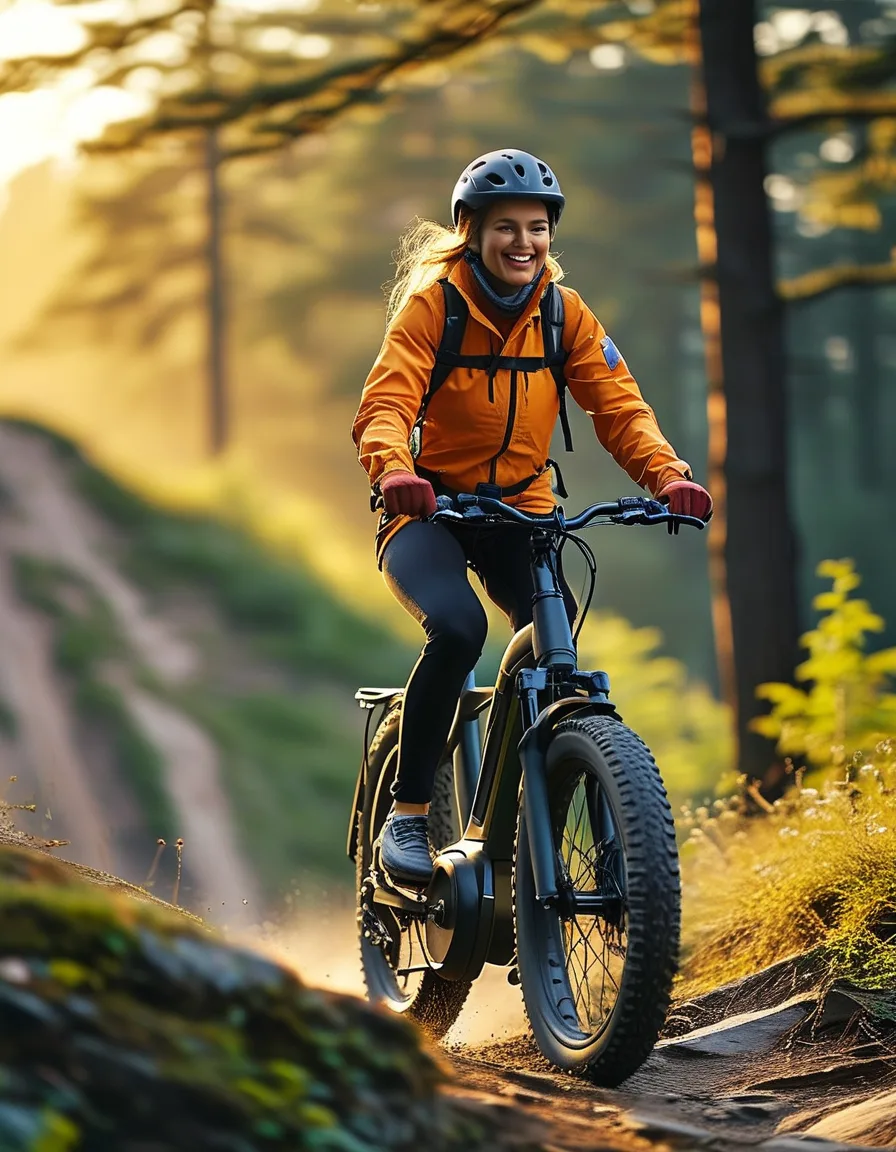
The e-bike carries an unfair asterisk — ‘but is it real exercise?’ — that the research has repeatedly answered: yes, and often MORE total exercise than the regular bike it replaced, because e-bike owners actually ride. The pedal-assist fitness case, evidence included.
The Research Verdict
The studies keep agreeing: e-bike riding is genuine moderate-intensity exercise (assist reduces effort per kilometer, but riders compensate with longer, more frequent rides — the total weekly exercise often exceeds conventional cycling), heart rates on e-bikes sit solidly in the health-benefit zone (lower than acoustic bikes, far higher than the car seat the e-bike usually replaces), and the commute-conversion effect is the headline (the hills-and-sweat barriers that kept people off bikes vanish; the riding that replaces driving is pure fitness gain). The asterisk was always measuring against the wrong baseline.
Who Gains the Most
The biggest winners: returning exercisers (the e-bike is the gentlest re-entry in cardio — the fitness-restart crowd’s ideal tool), knee-and-joint negotiators (assist smooths the loading spikes of hills and starts), commuters (the arrive-unsweaty problem, solved — the athleisure-office crossover on wheels), hilly-city dwellers, and riding partners of different fitness levels (the assist dial equalizes couples and groups — the couple-workout problem solved by hardware). Fit riders benefit too: the e-bike extends range and adds ride days, and ‘e-bike days’ function as active recovery.

Assist as a Training Dial
Using the levels deliberately: low assist = training ride (the workout is intact; the motor is insurance), medium = the commute default (consistent effort over terrain), high = recovery or arrival-critical rides — and the progression game: the same route on decreasing assist is a measurable fitness ladder (the hill you needed turbo for in March taking eco in June is the adaptation, quantified). The cadence habit transfers from regular cycling: spin easy gears rather than mashing — assist plus low cadence teaches nothing.
The Practical File
The ownership notes: category basics (city/step-through for errands, hybrid for mixed use, e-MTB for the trail-curious — the test-ride matters more than the spec sheet), the security reality (e-bikes are theft targets — the two-lock habit and insurance conversation are part of the purchase), battery care (the partial-charge lifestyle beats full-cycle draining; cool storage), and the legal-class check for your region. The fitness verdict stands: the best exercise machine is the one that replaces your car seat — and the e-bike does it grinning up hills.
More riding beats harder riding, assist is a dial not a cheat, same route less turbo. The e-bike’s fitness case closed years ago — the asterisk just hadn’t read the research.
Keep Reading
This article is for general informational and styling purposes only. Fit, sizing, and product availability may vary.