The E-Bike Buying Guide: Choosing Your Pedal-Assist Partner
E-bike shopping presents a wall of acronyms, motors and four-figure decisions — and the right bike depends entirely on the rides you’ll actually take. The buying guide: the categories decoded, the test-ride checklist and the honest math on batteries and budgets.

The Category Decoder
Matching bike to life: the city-and-step-through tier (upright posture, easy mounting, racks and fenders standard — the errands-and-commute workhorse; the step-through frame is ergonomics, not gendering — everyone’s knees appreciate it at stoplights), the hybrid-and-trekking tier (the do-everything geometry for mixed commute-and-weekend riding — the most-bought category for good reason), the e-MTB tier (for the trail-curious — the mountain-biking world’s assist wing), the cargo-and-family tier (the kid-hauling minivan replacement — its own research project), and the folding tier (the train-commuter and small-apartment answer). The question that sorts them: describe your three most likely rides — the category picks itself.
The Motor-and-Class Basics
The spec literacy: mid-drive versus hub motors (mid-drives balance better and climb smarter — the premium default; hub motors cost less and serve flat commutes fine — the honest budget answer), the class-and-legal check (your region’s assist-speed and throttle rules decide what’s street-legal — the two-minute lookup before the purchase, not after), the torque note for hills (the hilly-city rider wants the torque spec more than the top-speed one), and the sensor difference (torque sensors feel like magic legs; cadence sensors feel like a push — the test ride reveals which, and the feel matters more than the datasheet).
The Test-Ride Checklist
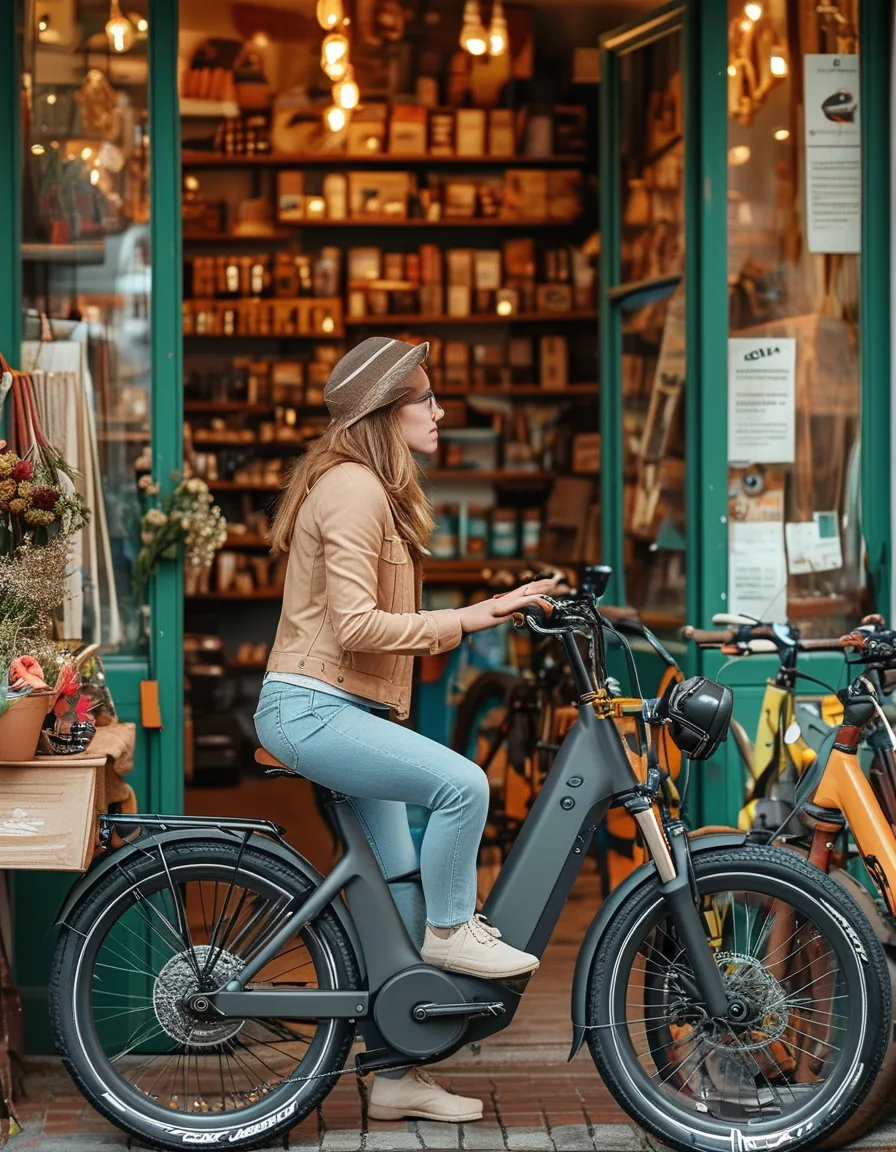
The in-person exam: ride EVERY candidate (the feel-difference between bikes is bigger than any spec delta — the shop test ride is non-negotiable; the online-only purchase gambles the biggest variable), the checklist on the ride (the mount-and-dismount comfort, the assist-level transitions — smooth or jerky, the brakes at speed — e-bikes are heavy and fast; good brakes are safety equipment, and the low-speed handling in a parking-lot figure-eight), the fit conversation (frame size and the saddle-comfort chapter apply doubly — the heavier bike punishes bad fit more), and the weight reality (lift it — the storage stairs, the car rack and the flat-tire roadside all involve the bike’s actual kilograms; the spec nobody checks until it’s in the hallway).
The Money-and-Battery Math
The honest economics: the budget tiers (the reputable entry tier exists — the corner-cutting shows in brakes and batteries first; the mid-tier is where reliability-per-dollar peaks; the premium tier buys refinement, not necessity), the battery arithmetic (range claims halve under real conditions — hills, assist-level and cargo; the removable battery is an apartment-dweller’s requirement, and replacement-battery availability is the bike’s actual lifespan), the total-cost view (the lock-and-insurance tier is part of the price — the theft-target reality; plus the annual service line), and the against-what comparison (the e-bike priced against the car trips it replaces — the fuel-parking-gym triple arithmetic — is the cheapest vehicle you’ll ever buy; priced against a regular bike, it’s the difference between owning one and riding one). Buy the rides you’ll take, not the specs you’ll quote.
Describe your three rides first, test-ride everything, brakes and battery over top speed, price the lock in. The right e-bike is the one matching your actual life — the category decoder does the rest.
Keep Reading
This article is for general informational and styling purposes only. Fit, sizing, and product availability may vary.